The major arcana: all 22 cards, in order
Updated October 10, 2026 · How we write these pages
The short answer
The major arcana are the 22 picture cards of a tarot deck, numbered 0 to 21 from The Fool to The World. They stand for life's big themes and turning points, while the 56 minor arcana describe daily events. Read in order, the majors tell one story, the Fool's journey from innocence to completion.
22 of 22 cards
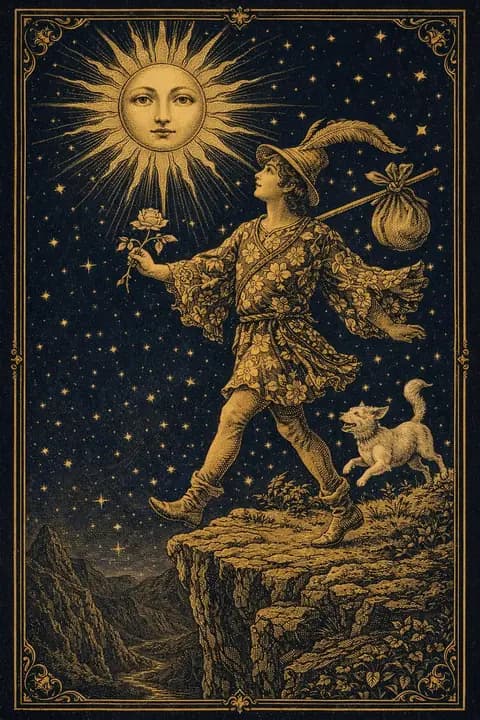
The Fool
new beginnings, spontaneity
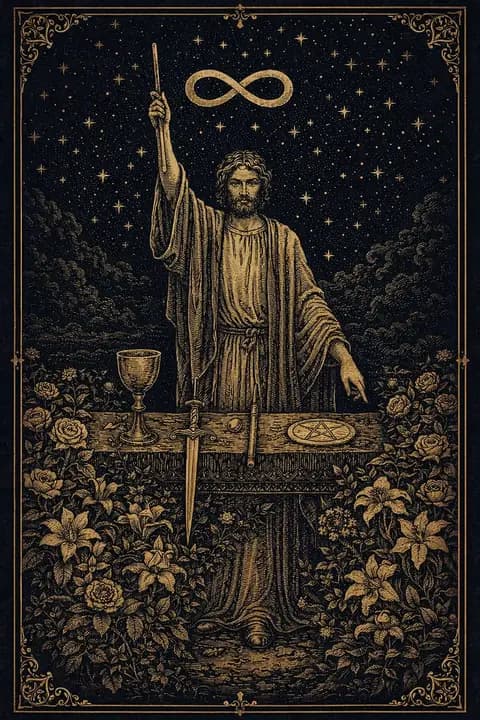
The Magician
willpower, skill
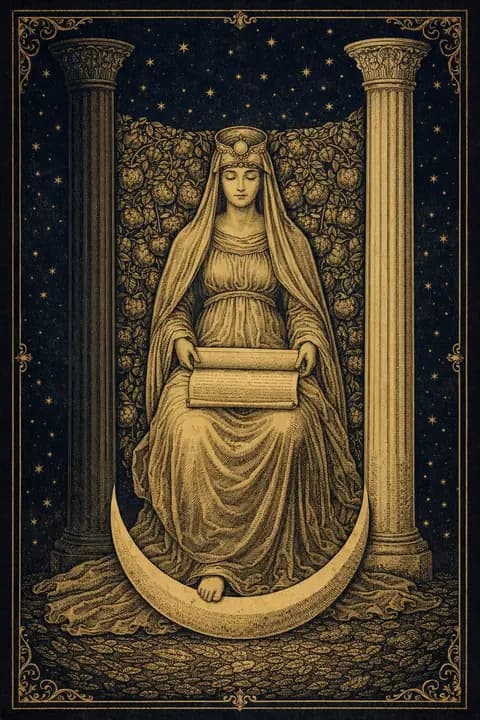
The High Priestess
intuition, mystery
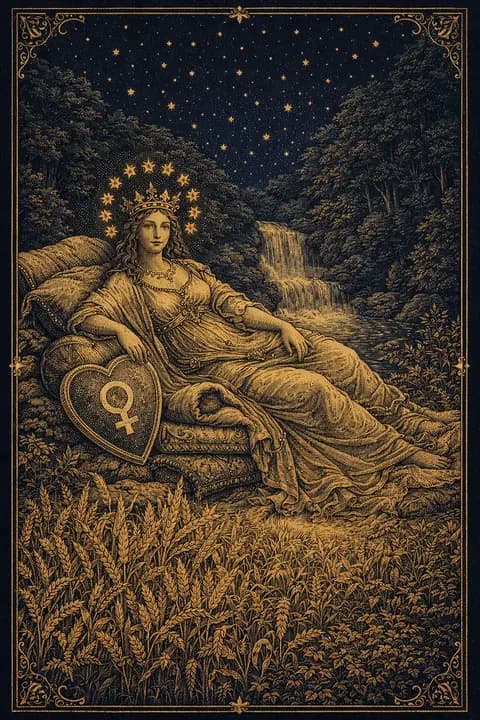
The Empress
abundance, nurturing
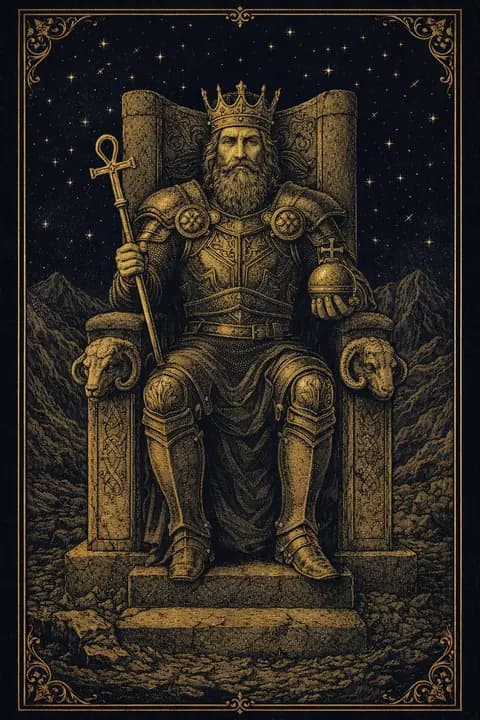
The Emperor
structure, authority
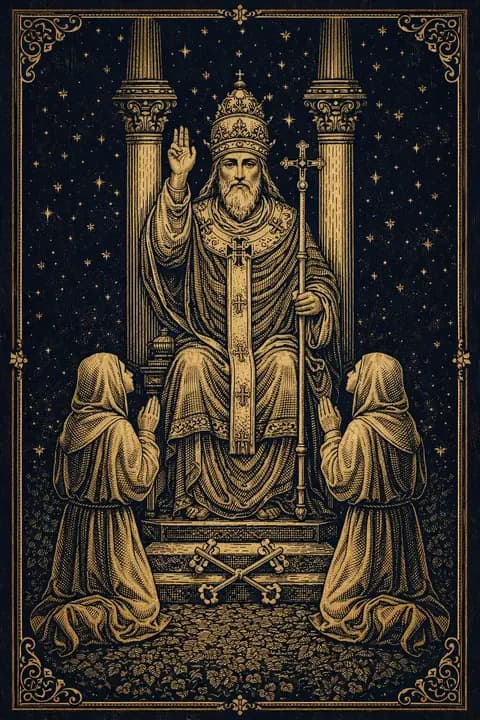
The Hierophant
tradition, belief
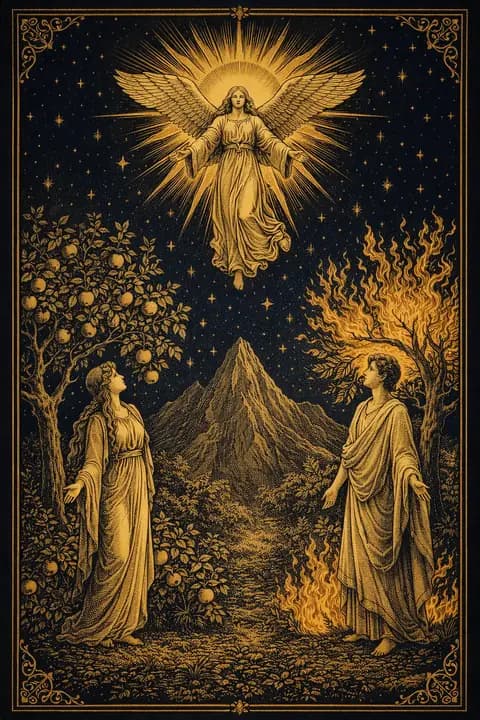
The Lovers
love, harmony
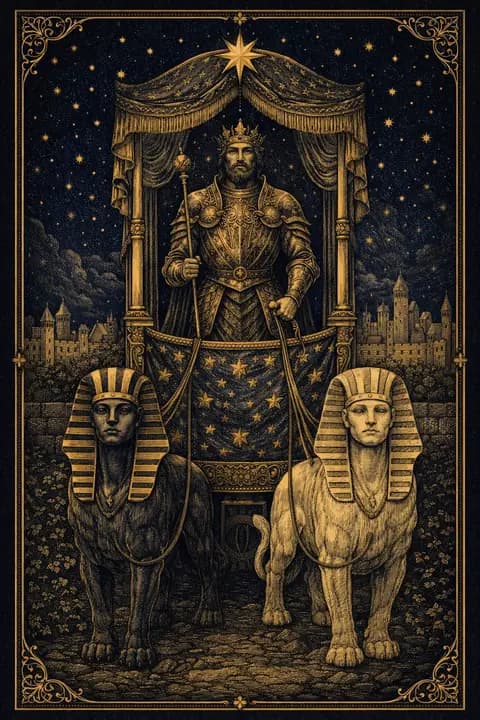
The Chariot
determination, willpower
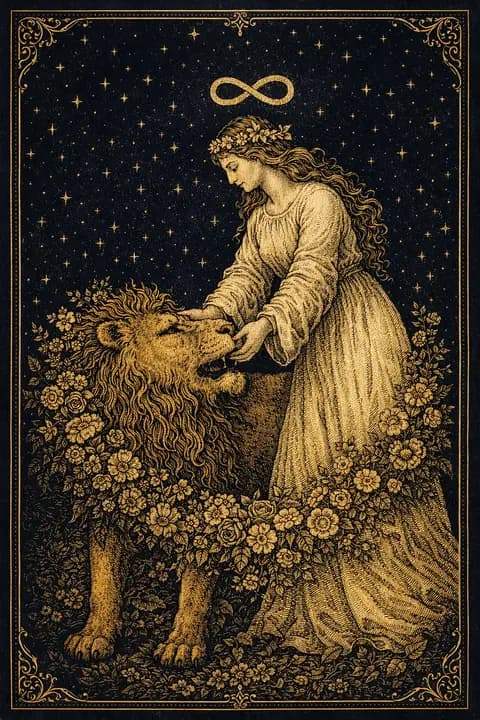
Strength
courage, compassion
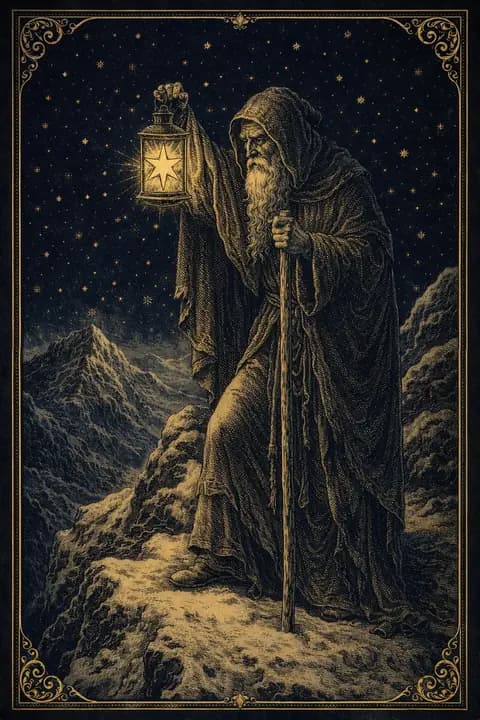
The Hermit
introspection, solitude
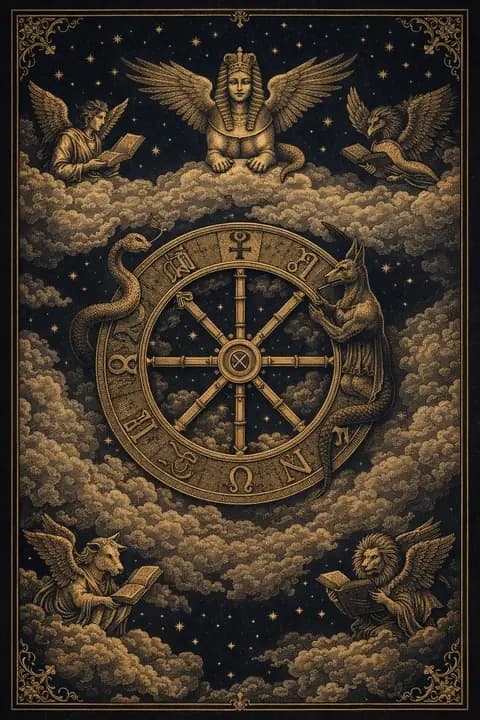
Wheel of Fortune
change, cycles
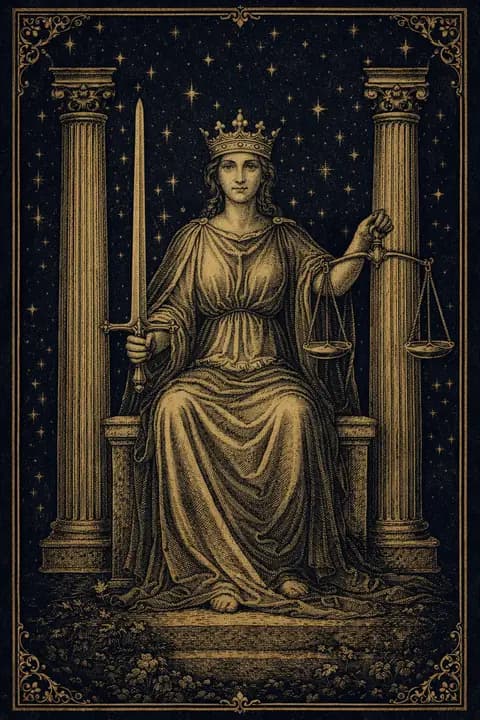
Justice
fairness, truth
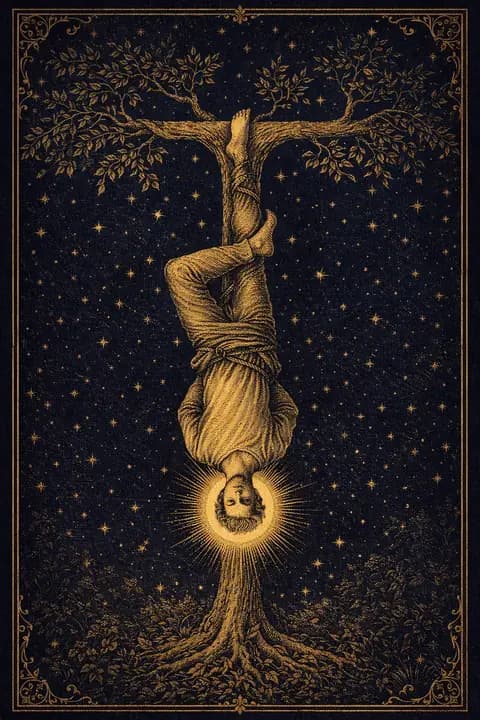
The Hanged Man
surrender, pause
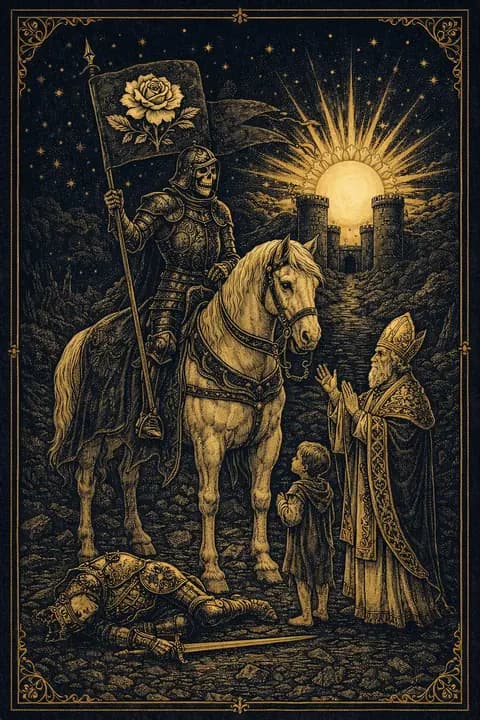
Death
endings, transformation
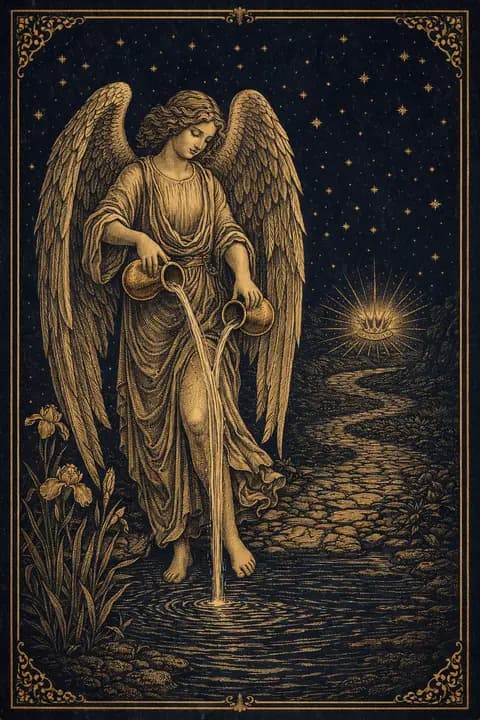
Temperance
balance, moderation
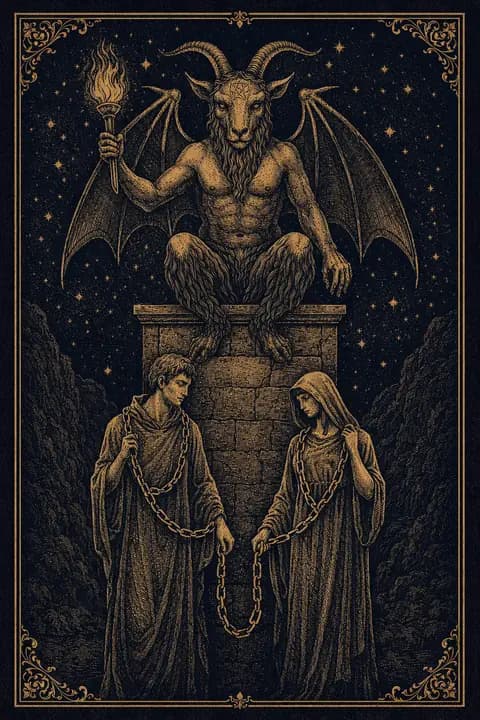
The Devil
attachment, temptation
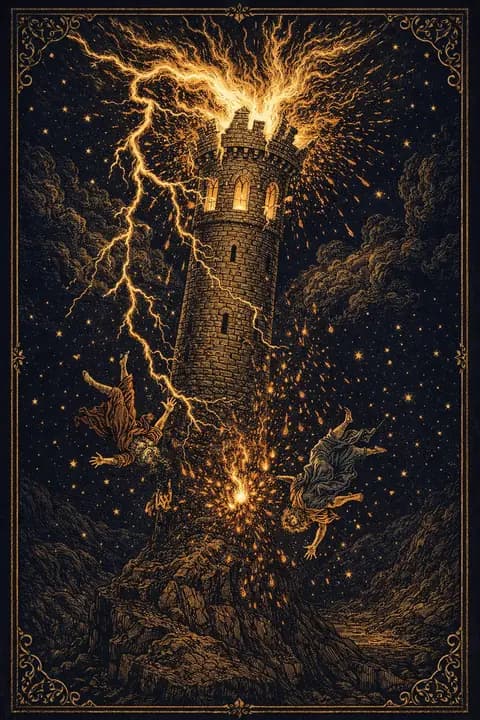
The Tower
sudden change, upheaval
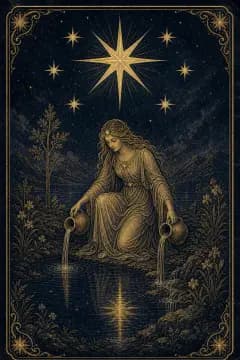
The Star
hope, renewal
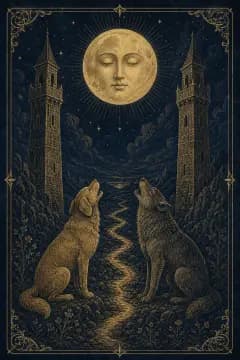
The Moon
illusion, intuition
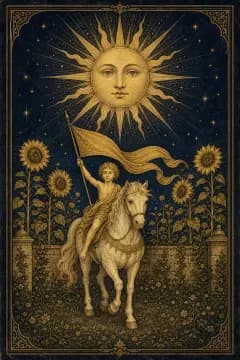
The Sun
joy, success
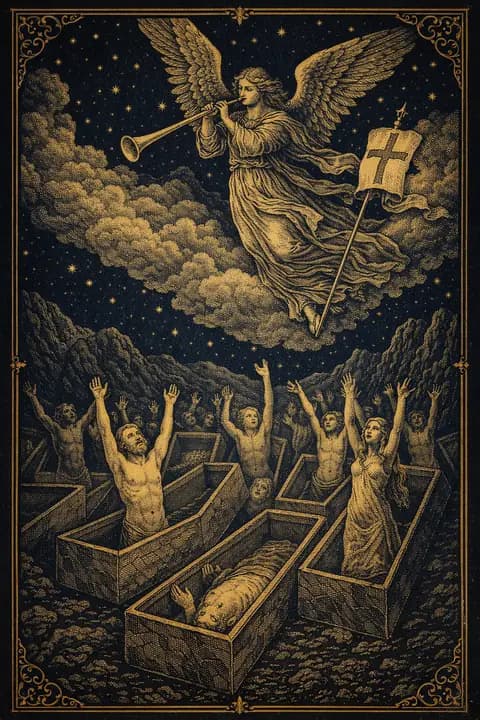
Judgement
reflection, reckoning
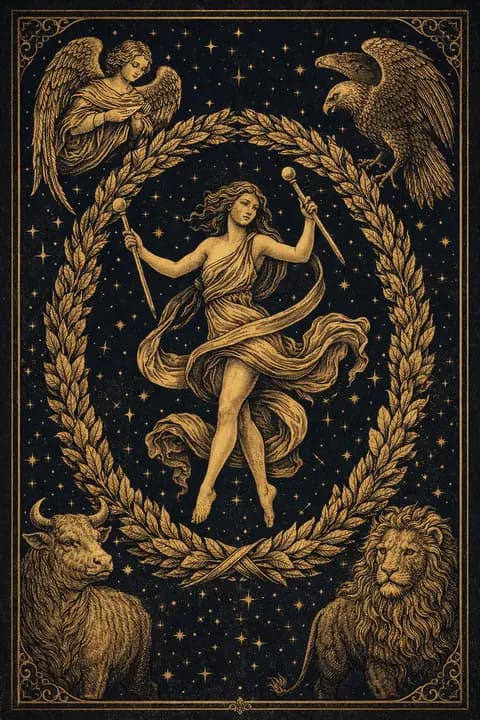
The World
completion, fulfillment
What are the major arcana?
Arcana is Latin for secrets, and the major arcana are the deck's greater secrets: 22 cards that have names instead of suits. Each shows an archetype, a figure or a force that every culture recognizes, such as the mother, the teacher, the lovers, death, the devil and the sun. In the fifteenth-century Italian card game they began as trumps, cards that beat any suit, and readers still treat them that way. A major arcana card in a reading outranks the cards around it.
The 22 are numbered 0 to 21. The Fool carries 0, which lets him stand outside the sequence and also begin it, and The World closes it at 21. That makes the majors the easiest part of the deck to learn as one story, and the hardest to read lightly, because each of them is about something that changes you.
The 22 major arcana cards in order
Every card has its own page with the full meaning, symbols, love, feelings, career and its yes or no answer. The short version is below, with the astrology the Golden Dawn assigned in the 1880s: twelve cards for the twelve signs, seven for the seven classical planets and three for the elements of air, water and fire.
| Card | Upright | Reversed | Astrology |
|---|---|---|---|
| 0 The Fool | A leap of faith, a fresh start | Recklessness, or fear of the leap | Air (Uranus) |
| 1 The Magician | Skill, will, making it real | Untapped talent, manipulation | Mercury |
| 2 The High Priestess | Intuition, what is unspoken | Secrets, ignored instincts | The Moon |
| 3 The Empress | Abundance, care, creativity | Smothering, a creative block | Venus |
| 4 The Emperor | Structure, protection, authority | Control, rigidity | Aries |
| 5 The Hierophant | Tradition, a teacher, belonging | Rebellion, your own beliefs | Taurus |
| 6 The Lovers | Love, union, a values choice | Misaligned values, a split | Gemini |
| 7 The Chariot | Willpower, victory, direction | Lost control, scattered aims | Cancer |
| 8 Strength | Gentle courage, patience | Self-doubt, raw emotion | Leo |
| 9 The Hermit | Solitude, inner guidance | Isolation, loneliness | Virgo |
| 10 Wheel of Fortune | A turning point, luck, cycles | Setbacks, resisting change | Jupiter |
| 11 Justice | Truth, fairness, consequences | Unfairness, dodged blame | Libra |
| 12 The Hanged Man | A pause, surrender, a new view | Stalling, pointless sacrifice | Water (Neptune) |
| 13 Death | An ending, transformation | Clinging, stagnation | Scorpio |
| 14 Temperance | Balance, healing, the middle way | Excess, impatience | Sagittarius |
| 15 The Devil | Attachment, temptation, the shadow | Breaking free | Capricorn |
| 16 The Tower | Sudden upheaval, revelation | Disaster averted, or delayed | Mars |
| 17 The Star | Hope, healing, renewal | Discouragement, lost faith | Aquarius |
| 18 The Moon | Illusion, fear, intuition | Fog lifting, truth surfacing | Pisces |
| 19 The Sun | Joy, success, vitality | Joy delayed or dimmed | The Sun |
| 20 Judgement | Awakening, a calling, reckoning | Self-criticism, an ignored call | Fire (Pluto) |
| 21 The World | Completion, wholeness, arrival | Unfinished business | Saturn |
Which part of the journey are you on?
Lay five cards for your own question and see which majors turn up, read together with your birth chart. Written by AI the moment you join.
Lay my five cardsThe Fool's journey: the major arcana as one story
Since the 1960s, readers have told the majors as the journey of The Fool, a young traveler who meets each of the other 21 cards in turn and learns something from each. The idea is usually credited to the American teacher Eden Gray, and it works because the order is not random. Laying the cards out in three rows of seven, after The Fool, shows three acts of a life.
- Act one, cards 1 to 7, the outer world. The Fool meets the powers that shape a person from outside: skill and intuition (The Magician, The High Priestess), mother and father (The Empress, The Emperor), school and tradition (The Hierophant), first love and its choice (The Lovers), and finally his own will, riding out as The Chariot.
- Act two, cards 8 to 14, the inner world. Success outside is not enough. He learns to tame his own nature (Strength), withdraws to find his own light (The Hermit), meets fate (Wheel of Fortune) and consequence (Justice), hangs upside down until he sees differently (The Hanged Man), lets an old self die (Death) and learns the patient art of blending opposites (Temperance).
- Act three, cards 15 to 21, the spiritual world. Now he faces what binds him (The Devil), has his false structures struck down (The Tower), heals under the open sky (The Star), walks through fear and illusion (The Moon) into clear joy (The Sun), hears the call to rise (Judgement) and arrives whole at The World, ready to step off the cliff again as a wiser Fool.
Major arcana astrology: signs, planets and elements
The astrology in the table comes from the Hermetic Order of the Golden Dawn, which paired each major with one letter of the Hebrew alphabet and, through it, with a sign, a planet or an element. Waite and Pamela Colman Smith built those links into the 1909 images: The Emperor's throne is carved with the rams of Aries, The Star kneels as the water bearer of Aquarius, and the lion of Leo sits at the feet of Strength.
It is a useful way to remember the cards if you already know astrology, and a useful way to learn astrology if you already know the cards. If your sun sign is Libra, Justice is your sign's card; if it is Pisces, The Moon. The three element cards, The Fool, The Hanged Man and Judgement, are often given the outer planets Uranus, Neptune and Pluto by modern readers. The Golden Dawn kept to the seven planets visible to the eye, and Pluto was not found until 1930.
| Zodiac sign | Major arcana card | Sign | Major arcana card |
|---|---|---|---|
| Aries | The Emperor | Libra | Justice |
| Taurus | The Hierophant | Scorpio | Death |
| Gemini | The Lovers | Sagittarius | Temperance |
| Cancer | The Chariot | Capricorn | The Devil |
| Leo | Strength | Aquarius | The Star |
| Virgo | The Hermit | Pisces | The Moon |
Major arcana numbers, and why Strength and Justice swap
In the old Tarot de Marseille, Justice is card 8 and Strength is card 11. The Golden Dawn swapped them so that the sequence of Hebrew letters lined up with the zodiac order, Leo before Libra, and the Rider-Waite-Smith deck printed the new order in 1909. Both are still in use, so check your deck before you read the number.
The numbers also pair up. Cards that add to the same digit share a theme: 1 and 10 and 19 (The Magician, the Wheel, The Sun) are all about power and beginnings, and 4 and 13 (The Emperor and Death) are both about structures, one built and one dismantled. This is the logic behind tarot birth cards, which turn your date of birth into one of these number families.
How to read major arcana cards in a spread
In a shuffled 78-card deck, about 28 percent of cards are majors, so a three-card spread holds at least one nearly two times in three. More than that is a signal. Two or more majors in three cards, or half of a larger spread, says the question touches something larger than this week: a life chapter, a lesson that keeps repeating, a change you cannot fully steer.
A spread with no majors is not a weaker reading. It says the situation is in your hands and runs on ordinary choices, which is often good news. When majors do appear, read them first, then let the minor cards describe how that big theme is showing up in the details.
- One major in a spread: the theme of the whole reading. Read it first.
- Several majors: a significant period, often outside your control. Look at which act of the Fool's journey they come from.
- Majors in sequence, such as The Tower then The Star: the story is moving, and the later card is where it is heading.
- A reversed major: the theme is present but blocked, early or fading.
The major arcana in love readings
In a love reading the majors mark the relationships that change you. The Lovers is the obvious one, but it is about a choice of values as much as romance. The Empress and The Sun are warm and flourishing, The Star is love after healing, and the Wheel of Fortune is a meeting that feels fated. The Devil describes obsession or a bond that is hard to leave, The Tower a sudden break or revelation, and The Moon confusion and things unsaid. Our love tarot reading lays a free three-card spread for you and another person.
Major arcana versus minor arcana
The two halves of the deck answer different questions. The majors say what is happening at the level of your life story; the minors say how it is happening on Tuesday. The Death card says a chapter is ending. The Eight of Cups next to it says you are the one walking away, and the Ten of Swords would say it is being done to you.
| Aspect | Major arcana | Minor arcana |
|---|---|---|
| Cards | 22, named and numbered 0 to 21 | 56, in four suits of 14 |
| Scale | Life themes and turning points | Daily events and choices |
| Control | Often larger than you | Mostly in your hands |
| Weight in a spread | High, read first | Detail and context |
How to learn the major arcana
Learn them as a story before you learn them as a list. Lay the 22 out in order, Fool first and then three rows of seven, and tell the journey aloud in your own words. Then take one card a day for three weeks, read its page, and notice where its theme shows up in your day. By the end you will know the majors better than any memorized table, and the daily tarot card is a good way to keep them fresh.
Which part of the journey are you on?
Lay five cards for your own question and see which majors turn up, read together with your birth chart. Written by AI the moment you join.
Lay my five cardsQuestions people ask
How many major arcana cards are there?
There are 22 major arcana cards, numbered 0 to 21, from The Fool to The World. Together with the 56 minor arcana they make the 78-card tarot deck.
Is The Fool the first or the last major arcana card?
Both, in a sense. The Fool is numbered 0, so most decks put him first, but some old decks and readers place him between Judgement and The World or at the end, as the traveler who completes the circle and begins again.
Which major arcana card is the strongest?
The World is often called the strongest, as the card of completion, and The Sun the most positive. The Tower is the most forceful, since it describes change you cannot negotiate with. Strength depends on the question rather than the card.
Are major arcana cards always important?
They always carry more weight than the minors around them, but importance is not the same as drama. The Hermit or Temperance can be the theme of a reading and still describe something quiet, such as a season of rest or a slow repair.
What does it mean when you get a lot of major arcana?
A spread crowded with majors says the question sits inside a big life chapter, often one with forces you do not fully control. Read the majors first, and look at whether they come from the early, middle or late part of the Fool's journey.
Read next
More in tarot